
How to Choose the Right Industrial Vacuum Cleaner for Your Facility

In every industry, from food processing to steel plants, keeping the workplace clean is very important. Dust, dirt, liquid spills, and leftover waste are created every single day. If this waste is not cleaned properly, it can lead to health risks, safety problems, and even damage to machines. A simple broom or home vacuum is not strong enough for these kinds of jobs. That is where the industrial vacuum cleaner comes in.
An industrial vacuum cleaner is specially designed to handle tough cleaning tasks that normal vacuums cannot manage. It is strong, durable, and able to work for long hours without stopping. But with so many models and features available, choosing the right one for your facility can be confusing. This guide will help you understand what an industrial vacuum cleaner is, why it is important, and what factors you should look at before buying one.
What is an Industrial Vacuum Cleaner?
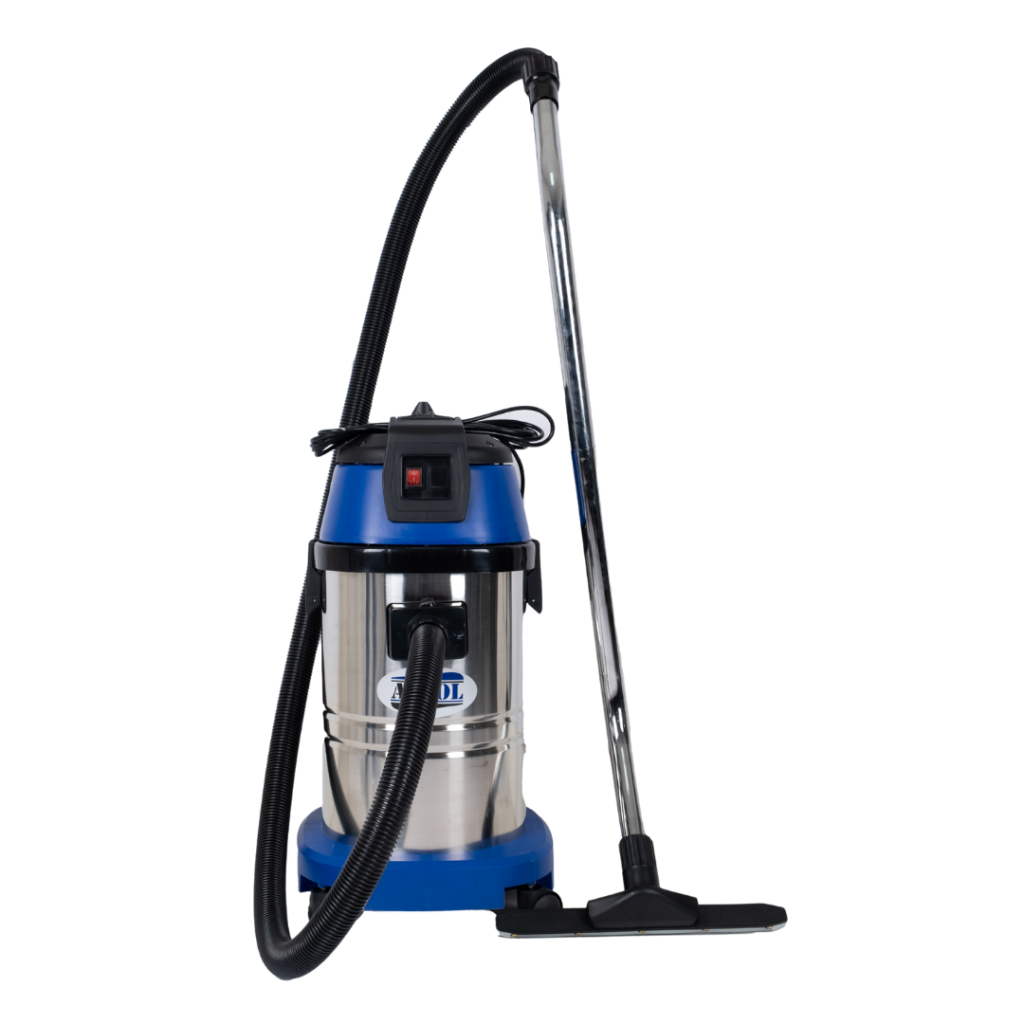
An industrial vacuum cleaner is a heavy-duty cleaning machine made for factories, warehouses, plants, and other large facilities. It works on the same basic idea as a home vacuum: it sucks in dust and dirt through air pressure. But the difference lies in its strength, size, and features.
hile home vacuums are made for light cleaning, industrial vacuums can handle:
- Heavy dust and fine powders (like in cement factories).
- Liquids, oils, or chemical spills.
- Solid particles like metal scraps, sand, or glass pieces.
- Continuous use in large areas for many hours.
They come in different designs such as portable units, fixed systems, central vacuum systems, or even truck-mounted machines. This variety allows industries to pick a vacuum that suits their exact cleaning need.
For example, a food factory may use a vacuum with HEPA filters to ensure no fine dust contaminates products, while an automobile workshop may prefer a wet and dry vacuum to clean oil and grease along with dust.
Why Choosing the Right Vacuum is Important
Not every industrial vacuum cleaner is the same. Choosing the wrong one can cause problems like:
- Poor cleaning results
- Frequent breakdowns
- Higher electricity bills
- Wasting time in emptying the tank again and again
- Unsafe air quality for workers
On the other hand, choosing the right machine saves time, lowers cleaning costs, improves worker safety, and increases the life of other machines by keeping the facility dust-free.
Key Things to Consider Before Buying
Now let us look at the most important factors to check when you plan to buy an industrial vacuum cleaner.
1. Power
Power shows how strong the machine’s motor is. It is usually measured in watts (W) or kilowatts (kW).
- Single-phase vacuums are good for small factories or workshops with lighter cleaning needs.
- Three-phase vacuums are used in bigger factories where cleaning is heavy and machines need to run for long hours.
Think about the size of your facility and the type of waste before deciding on power. A stronger motor is useful, but using it in a small setup may waste electricity.
2. Performance
Performance depends on two main things: suction power and airflow.
- Suction power (vacuum pressure): This is the pulling force that lifts dust, liquid, or solid waste. If you are dealing with heavy particles or thick liquids, high suction power is important.
- Airflow: This is the volume of air the machine moves while cleaning. High airflow helps when you need to clean fine dust or cover a large surface area quickly.
Both work together. For example, if you only have strong suction but poor airflow, the vacuum may pull in heavy waste but struggle with fine dust.
3. Filtration System
The filter is one of the most important parts of an industrial vacuum cleaner. It decides how clean the exhaust air will be.
- Basic filters are enough for large particles like sand or metal scraps.
- Advanced filters like HEPA are needed for very fine dust, powders, or sensitive areas like food, medicine, and laboratories.
If the filter is not good, the vacuum will blow dust back into the air, making the workplace unhealthy. Always check the type of filter before buying.
4. Tank Capacity
The size of the collection tank tells you how much waste the vacuum can hold.
- Small tanks are okay for short cleaning jobs or small workshops.
- Large tanks are better for big factories or when the vacuum runs all day.
Also, check how easy it is to empty the tank. Some vacuums come with wheels and detachable containers, making waste removal much simpler.
5. Quality and Durability
Factories are tough environments, with heavy machines, heat, dust, and chemicals. The vacuum cleaner should be built to handle this.
A good industrial vacuum cleaner will have a strong steel body, durable parts, and safety features that prevent overheating. Investing in a durable machine may cost more at first, but it saves money in the long run by reducing repair and replacement costs.
Matching the Cleaner to Your Facility
Every facility is different, and so are its cleaning needs. Here are a few examples:
- Small workshops: A compact, portable industrial vacuum cleaner is enough.
- Textile or cement factories: Fine dust is common, so choose a vacuum with high filtration and large airflow.
- Automobile workshops: A wet and dry vacuum is best to clean oil, grease, and solid waste together.
- Large plants: Continuous production needs a central vacuum system or a three-phase vacuum for nonstop cleaning.
- Food and pharmaceutical industries: A vacuum with HEPA filters ensures hygienic cleaning without contamination.
By matching the machine to your type of waste and workload, you can get better performance and longer machine life.
Extra Tips for Buyers
- Noise Level: If workers are around the machine all day, choose a vacuum with lower noise for comfort.
- Mobility: If you need to move the machine often, look for wheels and handles.
- Safety Features: Machines with automatic shut-off or overheat protection are safer.
- Maintenance: Check if the vacuum is easy to clean and if spare parts are easily available.
Conclusion
An industrial vacuum cleaner is more than just a cleaning tool. It is an important part of keeping factories safe, clean, and productive. Choosing the right one depends on understanding your facility’s needs.
Remember to check:
- Power of the machine
- Performance (suction and airflow)
- Filtration system
- Tank capacity
- Quality and durability
Once you match these factors with your cleaning needs, you will find the perfect machine. A good industrial vacuum cleaner saves time, protects workers’ health, and helps your business run smoothly.


You May also Like :
- Industrial Scrubber Dryer: Complete Guide for Commercial and Industrial Cleaning
 Keeping industrial and commercial floors clean is important for workplace safety, hygiene, and productivity. Factories, warehouses, manufacturing plants, shopping malls, hospitals, airports, and logistics centers often have large floor areas that need regular cleaning. Traditional mopping can be slow, tiring, and difficult to manage in large facilities. An Industrial Scrubber Dryer provides a faster and…
 - Vacuum Cleaner for Gym: Features, Benefits, and Buying Guide
 A clean gym is essential for creating a safe, healthy, and comfortable environment for members. Every day, gyms experience heavy foot traffic, with people using exercise equipment, weights, treadmills, yoga mats, and changing rooms. This constant activity leads to the accumulation of dust, hair, dirt, and other debris on floors and equipment. While regular mopping…
 - Scrubber Dryer: Complete Guide to Choosing the Right Floor Cleaning Machine
 Keeping floors clean is essential for maintaining a safe, healthy, and professional workplace. Whether it’s a warehouse, factory, hospital, shopping mall, hotel, or commercial building, clean floors improve the appearance of the facility while reducing the risk of accidents caused by dust, dirt, and spills. Many businesses still rely on manual mopping, but this method…